Running out of glue mid slime-making session is one of those small crises that always seems to happen at the worst time, but it turns out you don’t actually need glue to make a decent batch.
Baking soda works alongside a bunch of everyday bathroom and kitchen products to create that same stretchy, moldable texture, and most of these recipes use stuff you’ve probably already got sitting around the house. Here are 12 different ways to get there, each built around a different base ingredient so you can pick whatever you’ve actually got on hand.
A Few General Notes
Most of these recipes lean on contact lens solution as the activator, specifically one that lists boric acid on the ingredient label, since that’s what reacts with the baking soda to firm everything up.
Not every brand includes it, so it’s worth checking the bottle first. Add your activator slowly and in small amounts rather than dumping it all in at once, because it’s much easier to add more than to fix a batch that’s turned rubbery.
Knead each batch for at least a minute before deciding it’s a failure, since a lot of these look unpromising right up until the last bit of kneading pulls them together. And as always, keep any slime-making out of reach of pets and very young kids who might be tempted to taste it.
1. Lotion Slime
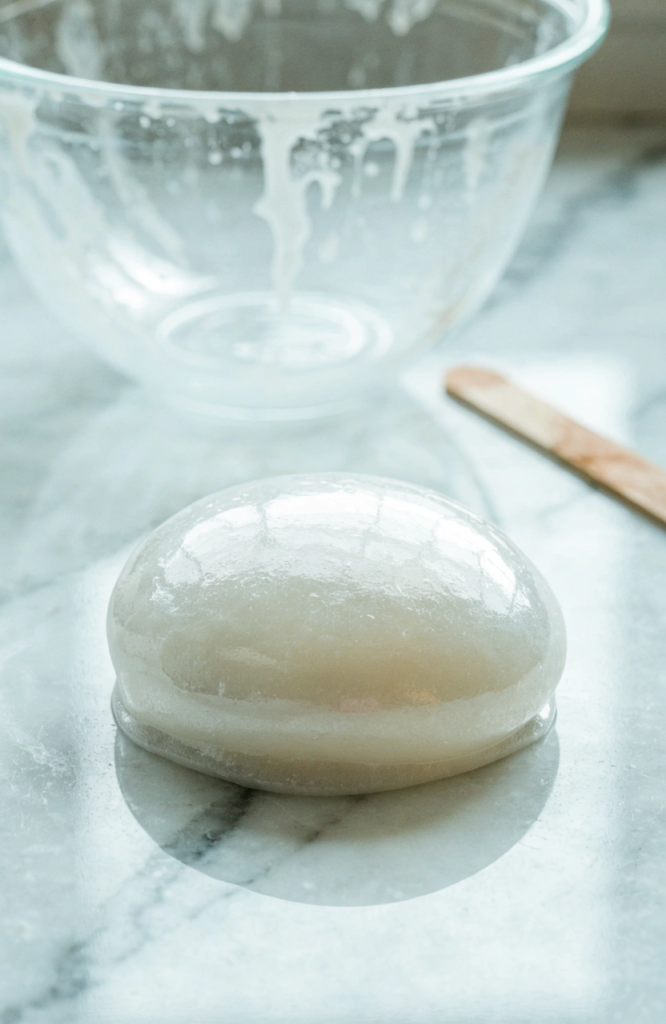
Lotion is one of the most reliable no-glue bases out there since it already has a bit of a stretchy quality before you even add anything else.
Ingredients: 1/2 cup thick lotion, 1 tablespoon baking soda, contact lens solution
Steps:
- Squeeze the lotion into a bowl and stir in the baking soda until fully combined.
- Add contact lens solution a few drops at a time, stirring after each addition.
- Once the mixture starts pulling together into a ball, take it out of the bowl.
- Knead by hand, adding a few more drops of solution if it’s still sticking to your fingers.
- Continue kneading until it’s smooth and stretches easily without tearing.
2. Shampoo Slime
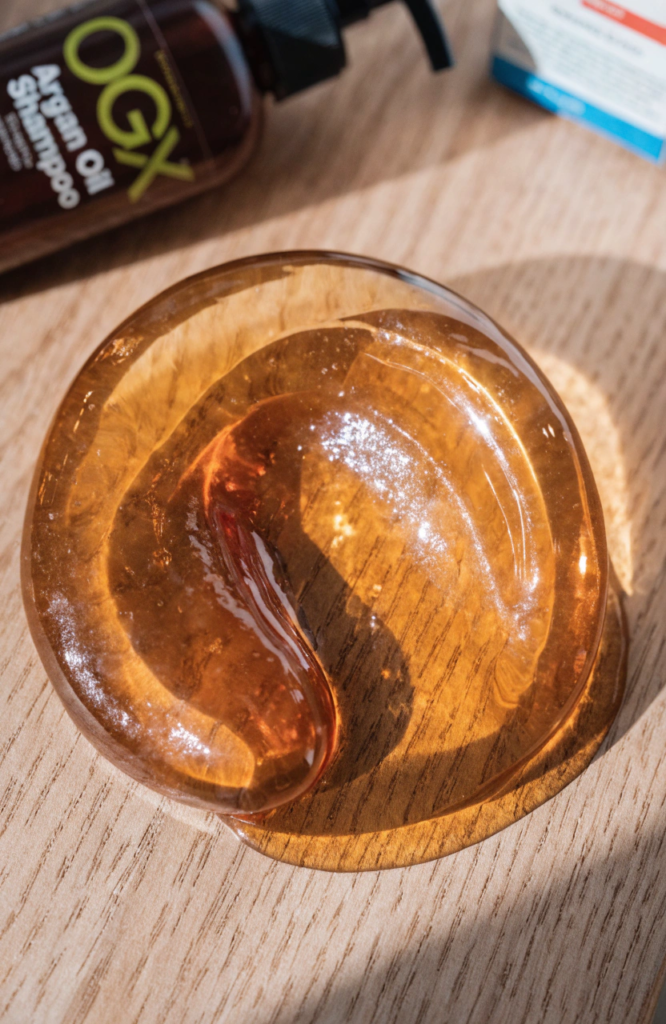
Thicker shampoos work best here, so reach for something with a gel-like consistency rather than a thin, watery formula.
Ingredients: 1/2 cup thick shampoo, 1 tablespoon baking soda, contact lens solution
Steps:
- Pour the shampoo into a bowl and mix in the baking soda thoroughly.
- Slowly add contact lens solution while stirring, watching the mixture begin to thicken.
- Once it clumps together, lift it out and start kneading with your hands.
- If it stays tacky, add a couple more drops of solution and keep working it.
- Knead until smooth, then let it rest for a minute before playing with it.
3. Conditioner Slime
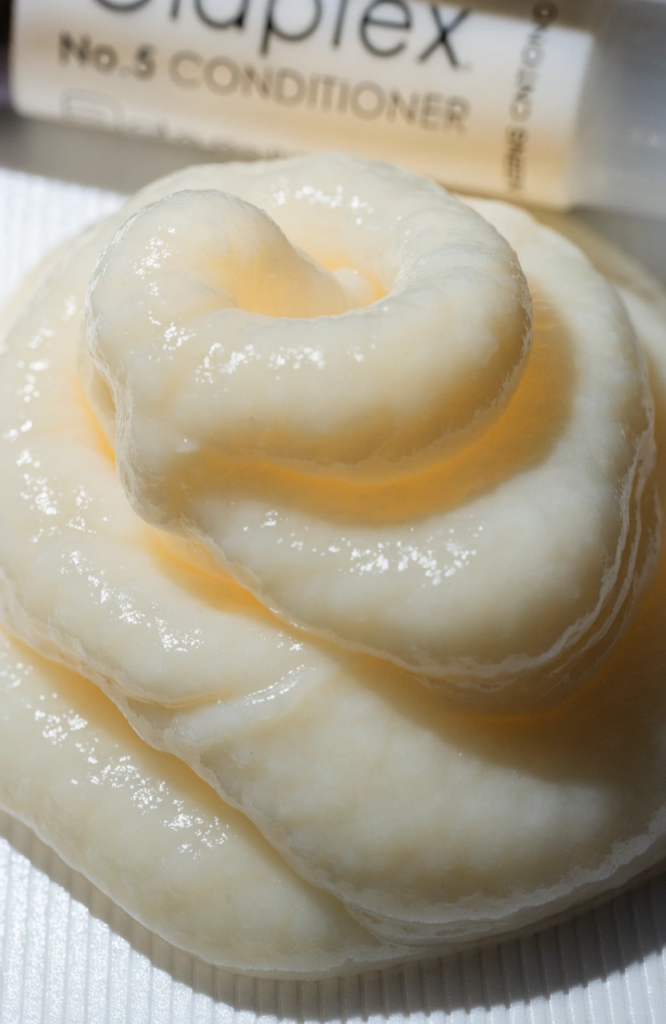
This one tends to come out extra soft and pillowy since conditioner is naturally a bit richer than shampoo.
Ingredients: 1/2 cup thick hair conditioner, 1 tablespoon baking soda, contact lens solution
Steps:
- Add the conditioner to a bowl and stir in the baking soda until evenly mixed.
- Add contact lens solution gradually, stirring continuously as the texture starts to change.
- Once it thickens into a soft dough-like clump, remove it from the bowl.
- Knead by hand for a minute or two, adding a touch more solution if needed.
- Stop kneading once it feels soft, smooth, and no longer sticky.
4. Cornstarch Slime
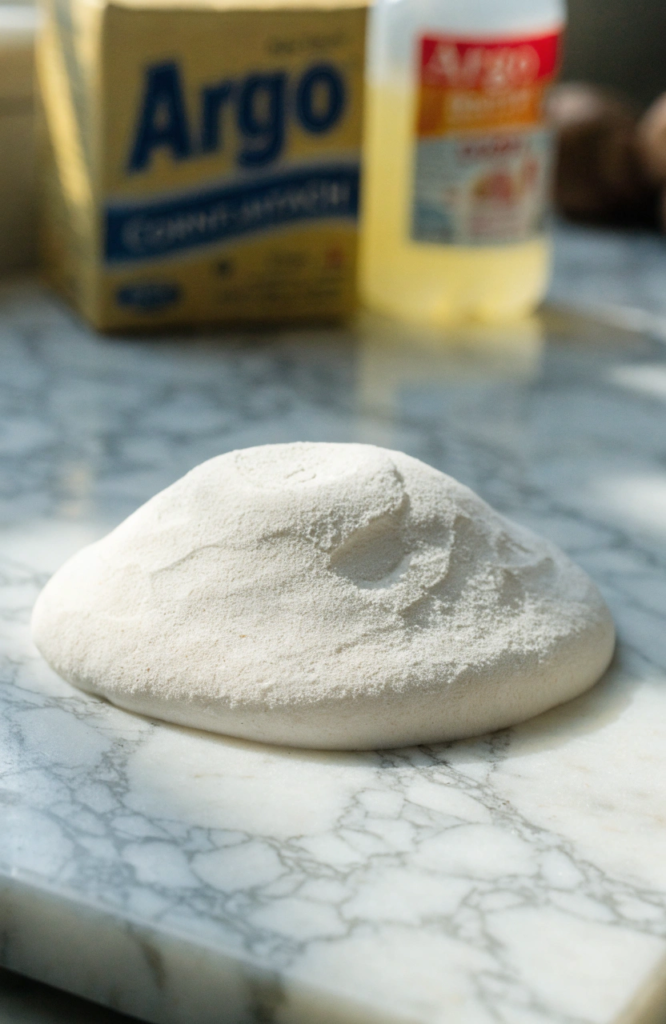
Cornstarch on its own doesn’t hold together the way glue does, but paired with baking soda and a bit of dish soap it firms up into a workable, slightly matte slime.
Ingredients: 1/2 cup cornstarch, 1 tablespoon baking soda, 2 tablespoons dish soap, water as needed
Steps:
- Whisk the cornstarch and baking soda together in a bowl.
- Add the dish soap and mix until the dry ingredients start to clump.
- Add water a teaspoon at a time, stirring after each addition, until the mixture comes together.
- Knead the mixture by hand, dusting in a pinch more cornstarch if it’s sticking.
- Keep kneading until it holds its shape and stretches without crumbling.
5. Dish Soap Slime
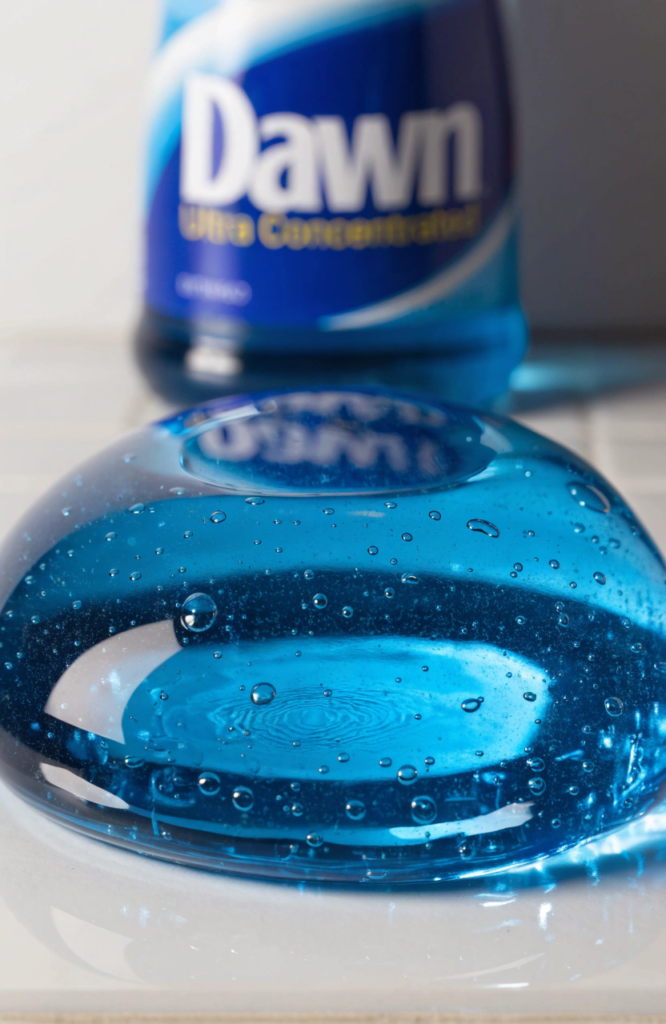
Dish soap has a naturally stretchy quality when it’s concentrated, which makes it a solid glue substitute once baking soda gets involved.
Ingredients: 1/2 cup thick dish soap, 2 tablespoons baking soda, contact lens solution
Steps:
- Pour the dish soap into a bowl and stir in the baking soda until fully blended.
- Add contact lens solution a small amount at a time, mixing continuously.
- Once the mixture thickens and starts separating from the sides of the bowl, take it out.
- Knead thoroughly, since dish soap slime often needs a bit longer to firm up than other bases.
- Continue until it’s smooth, glossy, and holds together well.
6. Toothpaste Slime
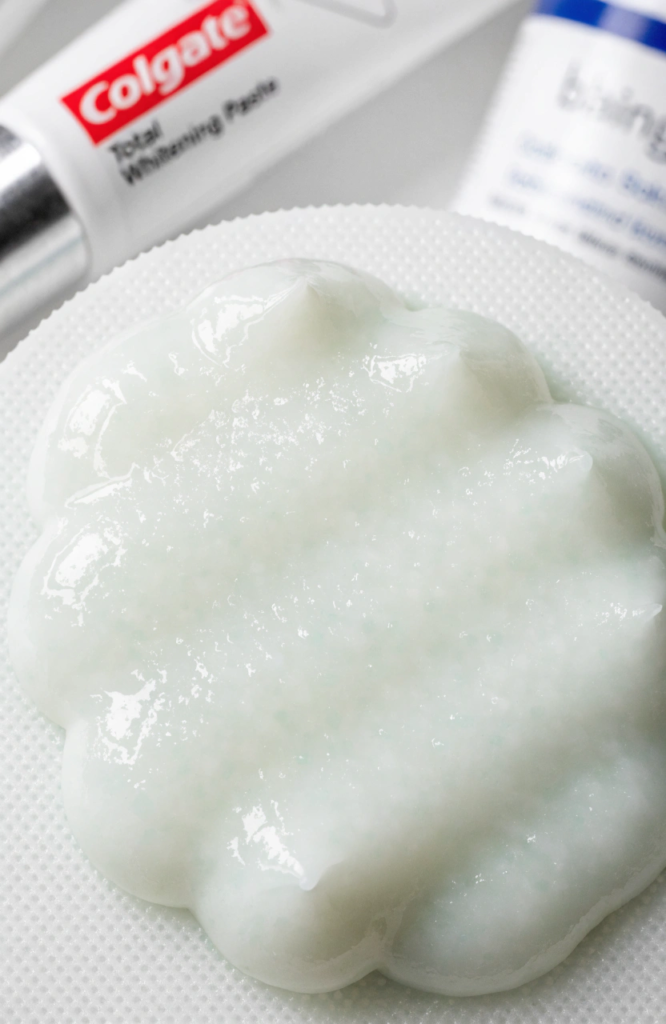
Skip the gel toothpastes for this one and grab a thick, opaque paste instead, since gel versions don’t firm up nearly as well.
Ingredients: 1/4 cup thick white toothpaste, 1 tablespoon baking soda, contact lens solution
Steps:
- Squeeze the toothpaste into a bowl and mix in the baking soda evenly.
- Add contact lens solution a few drops at a time, stirring as you go.
- Once the mixture starts clumping together, remove it from the bowl.
- Knead by hand until the texture turns smooth and less sticky, adding more solution if needed.
- Keep kneading until it stretches cleanly without pulling apart.
7. Body Wash Slime
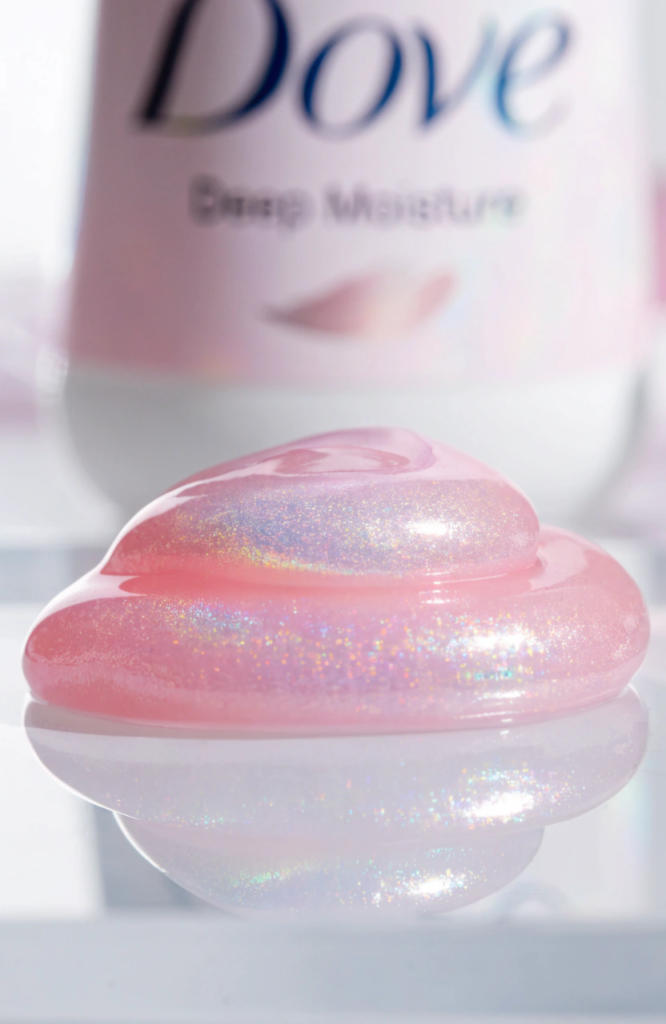
Similar to the shampoo version, but body wash tends to run a little thinner, so this batch usually needs a touch more baking soda to compensate.
Ingredients: 1/2 cup thick body wash, 2 tablespoons baking soda, contact lens solution
Steps:
- Pour the body wash into a bowl and stir in the baking soda thoroughly.
- Add contact lens solution slowly, stirring continuously until it begins to thicken.
- Once it forms a soft clump, lift it from the bowl.
- Knead by hand, adding extra solution in small amounts if it’s still sticky.
- Continue kneading until smooth and stretchy.
8. Sugar Water Slime
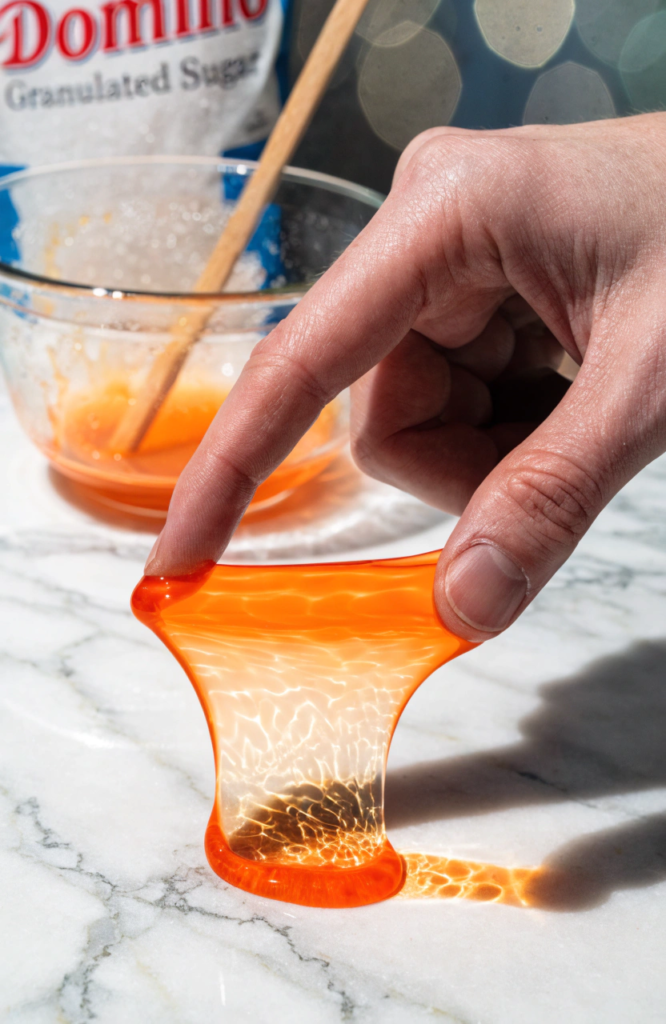
This one skips the usual soap-based bases entirely and leans on a simple sugar syrup instead, which gives it a slightly glossier, more delicate texture.
Ingredients: 1/2 cup sugar, 1/4 cup warm water, 1 tablespoon baking soda, cornstarch as needed
Steps:
- Stir the sugar into the warm water until it’s fully dissolved, creating a simple syrup.
- Mix in the baking soda thoroughly.
- Add cornstarch a spoonful at a time, stirring after each addition, until the mixture starts to thicken.
- Once it’s thick enough to hold together, knead it gently by hand.
- Keep adding small pinches of cornstarch while kneading until it stops sticking to your fingers.
9. Flour Paste Slime
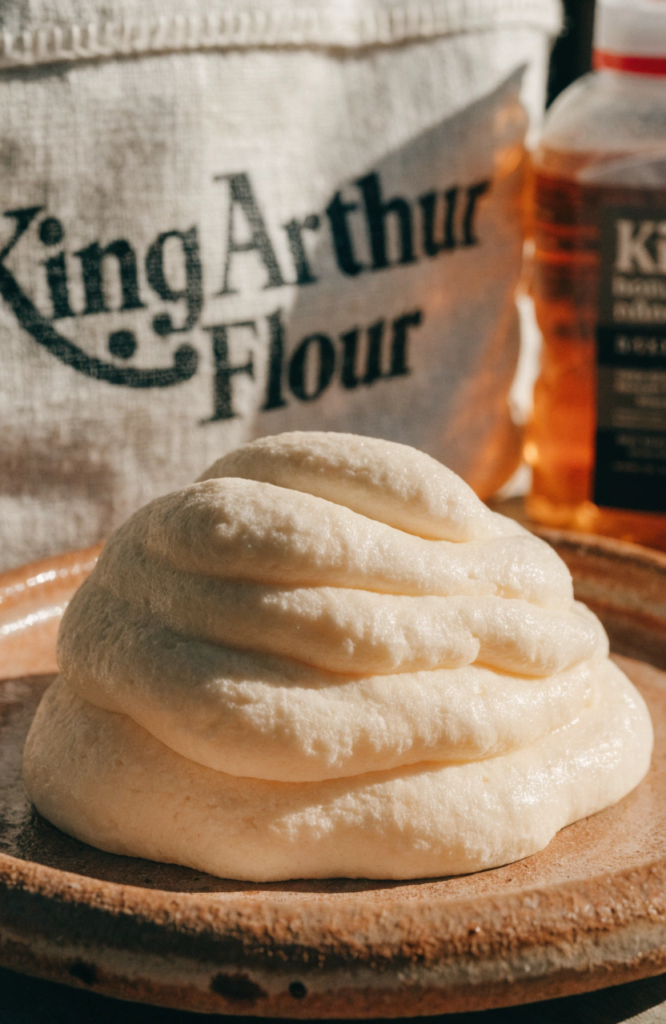
A pantry-friendly option that leans on flour instead of anything from the bathroom cabinet, which makes it a good pick if you’re completely out of soap-based products.
Ingredients: 1/2 cup flour, 1/4 cup water, 1 tablespoon baking soda, 1 tablespoon dish soap
Steps:
- Whisk the flour and water together in a bowl until you get a smooth paste with no lumps.
- Stir in the baking soda evenly.
- Add the dish soap and mix thoroughly, watching the texture loosen slightly.
- Knead the mixture by hand, dusting in extra flour if it feels too wet.
- Continue kneading until it holds together smoothly and stretches without cracking.
10. Hand Soap Slime
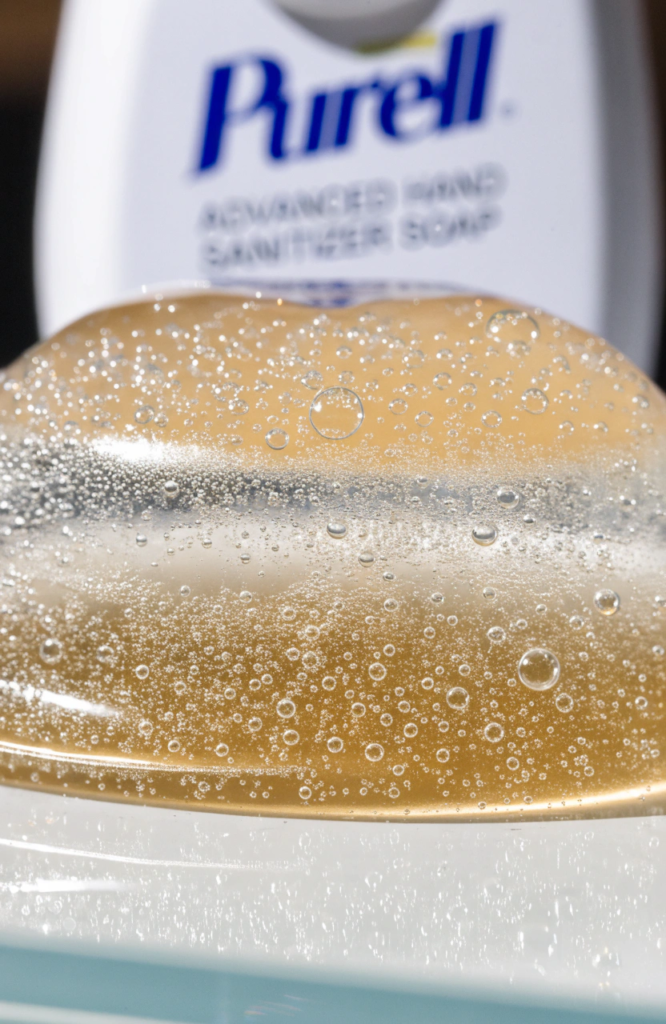
Foaming hand soaps won’t work well here, but a regular liquid hand soap gives you a light, slightly bubbly textured slime.
Ingredients: 1/2 cup liquid hand soap, 2 tablespoons baking soda, contact lens solution
Steps:
- Pour the hand soap into a bowl and stir in the baking soda until combined.
- Add contact lens solution slowly, mixing continuously as it starts to thicken.
- Once it clumps together, remove it from the bowl and start kneading.
- Add a few more drops of solution if it’s still sticking to your hands.
- Keep kneading until the texture turns smooth and elastic.
11. Foaming Soap Slime
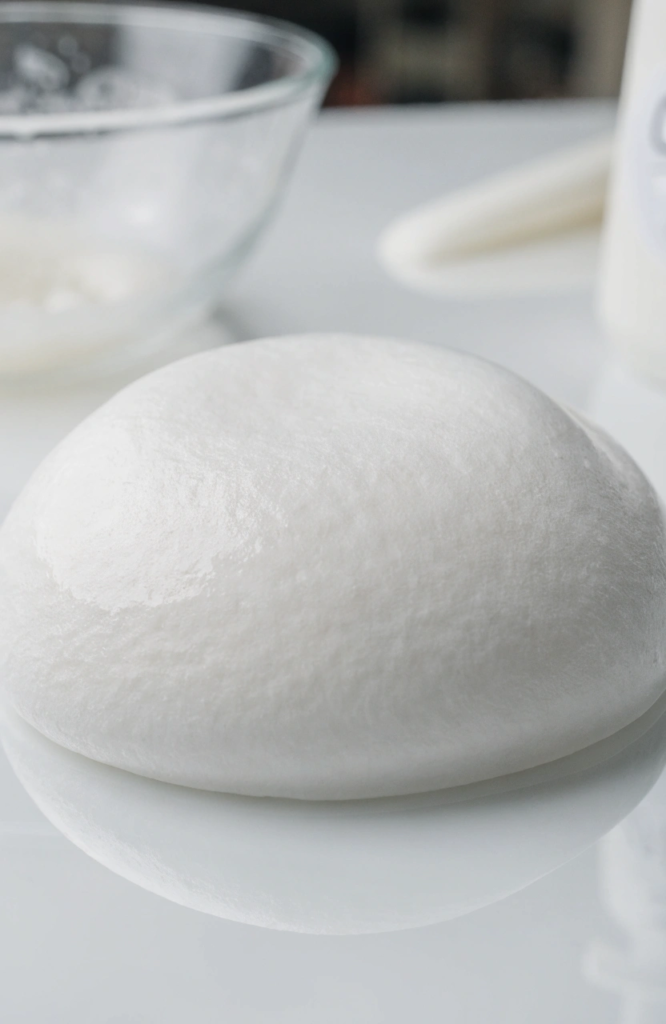
This version actually uses the foam itself rather than trying to work around it, which gives the finished slime a lighter, airier feel than most of the others on this list.
Ingredients: 1 cup foaming hand soap, 2 tablespoons baking soda, contact lens solution
Steps:
- Pump the foaming soap into a bowl, letting the foam settle for a minute before stirring.
- Stir in the baking soda gently to avoid deflating too much of the foam.
- Add contact lens solution a little at a time, folding it in rather than stirring hard.
- Once the mixture firms up enough to hold together, knead it gently by hand.
- Continue kneading until it’s soft, slightly airy, and holds its shape.
12. Face Wash Slime
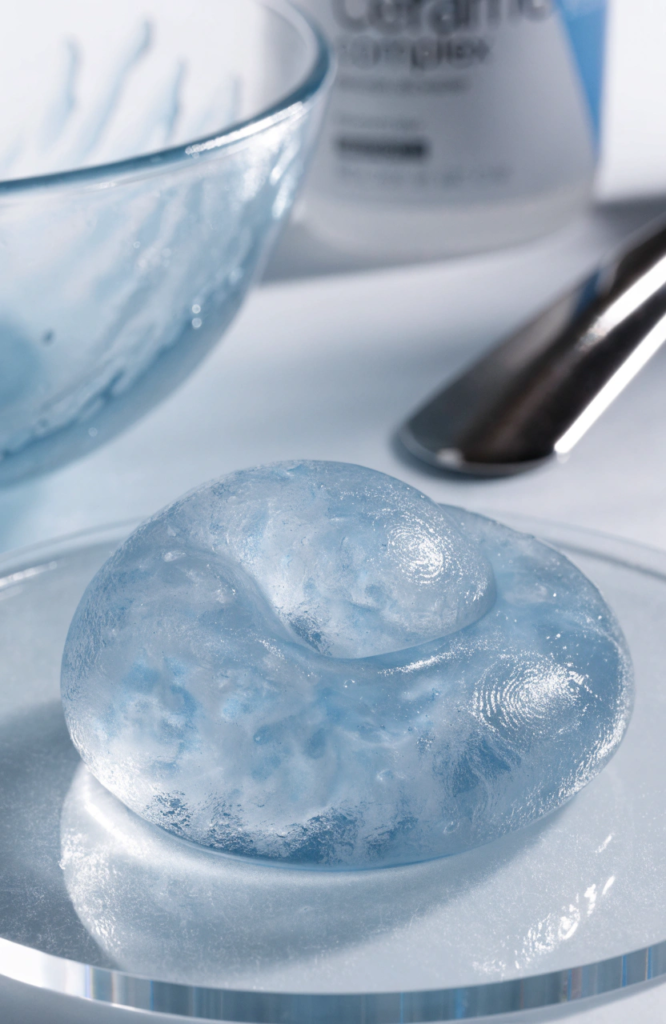
Gel-based face washes work surprisingly well here, and the finished slime often comes out with a nice glossy sheen.
Ingredients: 1/2 cup gel face wash, 1 tablespoon baking soda, contact lens solution
Steps:
- Pour the face wash into a bowl and stir in the baking soda until fully mixed.
- Add contact lens solution gradually, stirring continuously as it begins to thicken.
- Once it clumps together into a soft mass, remove it from the bowl.
- Knead by hand, adding a few more drops of solution if needed to reduce stickiness.
- Keep kneading until it’s smooth, glossy, and stretches without tearing.
Troubleshooting Sticky or Runny Batches
If a batch stays runny no matter how much you knead it, the fix is almost always more activator, added slowly rather than all at once. If it’s gone the other direction and turned stiff or rubbery, a few drops of lotion or water kneaded in can loosen it back up. And if a recipe just isn’t coming together after several minutes of kneading, it usually means the base product was too thin to begin with, so trying a thicker version of that same ingredient is worth a second attempt before giving up on it entirely.